Rubber Tyred Gantry (RTG) cranes are essential for container handling in ports, terminals, and large logistics yards. They combine mobility, lifting capacity, and operational flexibility, making them ideal for stacking containers and moving heavy loads efficiently. However, when evaluating the price of an RTG crane, the base cost is just one component. Accessories and optional features can significantly affect the total investment, both in upfront purchase costs and operational efficiency over time. Understanding these options is critical for buyers who want to balance cost with performance and long-term ROI.
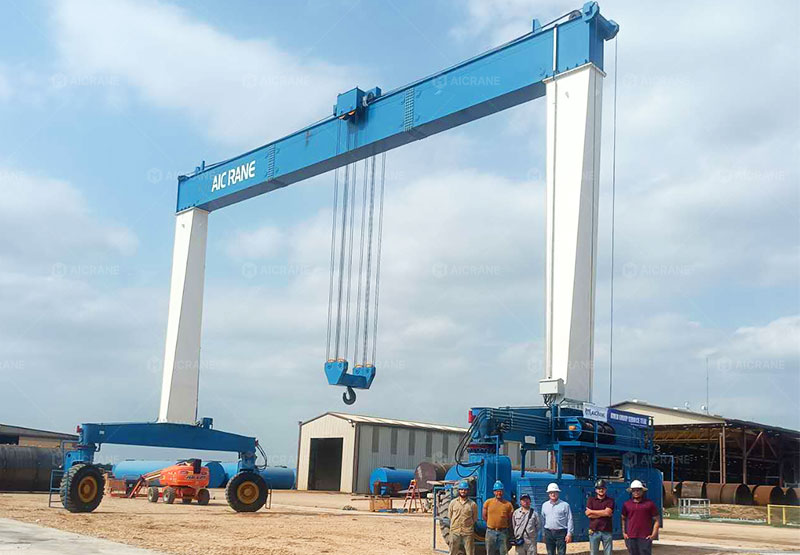
1. Standard Components vs Optional Accessories
An RTG crane comes with standard components such as the main frame, rubber-tyred wheels, a hoist mechanism, and basic electrical and hydraulic systems. These form the core of the crane’s functionality, allowing it to lift containers and travel over yard surfaces. Optional accessories, however, provide additional functionality, improve safety, enhance automation, or make the crane more versatile. Some of the common optional features include spreaders, energy-saving systems, operator cabins, remote control systems, anti-sway devices, and tire monitoring systems. Each of these can impact the rubber tyred gantry crane price.
2. Spreader Options
The spreader is a critical component in container handling. It connects the crane’s hoist to the container and can include various technologies:
-
Standard Manual Twistlock Spreaders: These are basic spreaders that require manual operation for securing the container. They are less expensive but slower and less convenient.
-
Hydraulic or Automatic Twistlock Spreaders: Automatic spreaders lock and release containers quickly, improving efficiency. They can adjust to different container sizes (20ft, 40ft, 45ft) and reduce operational labor costs. The advanced hydraulic systems increase the initial investment but pay off in faster container handling.
-
Twin-Lift Spreaders: Allow lifting two containers simultaneously. While they dramatically improve productivity, they also significantly increase the crane price due to reinforced structures and more powerful hoists.
In short, spreader type and functionality are among the most influential factors affecting RTG crane cost.
3. Cabin and Operator Comfort Features
Operator comfort and visibility are essential for efficient crane operation. Many RTG cranes come with standard cabins, but optional enhancements can increase price of gantry crane:
-
Ergonomic Seats and Climate Control: Heated, air-conditioned, and vibration-reducing seats reduce operator fatigue, which is especially important for long shifts.
-
360-Degree Cameras and Monitors: Cameras provide enhanced visibility around the crane, improving safety and efficiency, particularly in congested yards.
-
Adjustable Control Consoles: More advanced cabins offer customizable control layouts, allowing operators to handle multiple tasks simultaneously.
While these features do not increase lifting capacity, they improve productivity and reduce downtime, indirectly influencing overall operational cost.
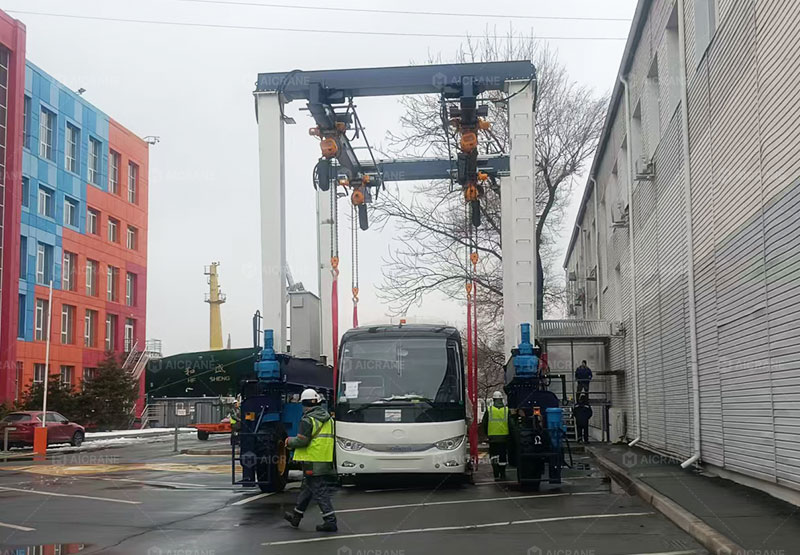
4. Control Systems
RTG cranes can be equipped with various control options that affect both performance and price:
-
Ground-Control Operation: The most basic setup, where operators control the crane from the yard using a control station or remote pendant. This is less expensive but requires the operator to be physically present.
-
Wireless Remote Control: Provides flexibility and mobility for the operator, allowing safer and more efficient operation.
-
Operator Cabin Control: A traditional cabin on the crane offers a protected environment and high visibility, usually at a higher cost due to cabin construction and safety requirements.
-
Semi-Automated and Fully Automated Systems: Some RTG cranes are equipped with semi-automated features like anti-collision systems, automated stacking guidance, and even fully automated container handling capabilities. Automation greatly increases the price but significantly reduces labor costs and operational risks.
The choice of control system can account for a substantial portion of the mobile gantry crane price, depending on complexity.
5. Power and Energy-Saving Options
RTG cranes can be powered by diesel engines, electric motors, or hybrid systems. Energy-saving features can significantly influence both price and long-term operating costs:
-
Diesel-Powered Cranes: Standard diesel engines are robust but have higher fuel consumption and emissions.
-
Diesel-Electric Hybrid Systems: These systems reduce fuel consumption and emissions by integrating battery storage and electric drive systems. While upfront costs are higher, they offer long-term savings.
-
Fully Electric RTGs: Powered entirely by electricity, these cranes require infrastructure investments but are more energy-efficient and environmentally friendly.
-
Regenerative Braking Systems: These systems capture energy during hoisting and lowering, converting it back into electrical power to reduce consumption. Optional regenerative braking can add to initial costs but improve energy efficiency.
Investing in energy-efficient features often results in higher upfront costs but can be justified by long-term savings, especially in large-scale container yards.
6. Safety and Monitoring Accessories
Safety and monitoring systems are increasingly important in modern RTG gantry crane for sale. Optional safety features may include:
-
Anti-Sway Technology: Reduces the swinging of containers during lifting, enhancing safety and precision.
-
Load Moment Indicators: Provide real-time monitoring of load weight and lifting angles to prevent overloading.
-
Tire Pressure Monitoring Systems: Ensure proper tire inflation for mobility and stability, preventing costly damage.
-
Anti-Collision Systems: Sensors and radar-based systems detect obstacles and prevent collisions with containers, other cranes, or personnel.
These systems not only increase crane price but also reduce the risk of accidents and costly downtime, making them valuable investments.
7. Mobility Enhancements
Rubber tyred gantry cranes are valued for their mobility, and optional features can enhance this capability:
-
All-Wheel Drive and Steering: Provides better traction and maneuverability in confined or uneven yard areas.
-
Hydraulic Lifting Axles: Allow the crane to lift and reposition itself, which is useful for yard maintenance or rail track alignment.
-
Extended Span Options: Some RTG cranes offer adjustable spans to handle different yard layouts. Customizing span adds to structural costs but improves operational flexibility.
Enhanced mobility features directly affect the crane’s purchase price due to additional mechanical and hydraulic systems.
8. Environmental and Noise Reduction Features
Ports and industrial areas often have strict regulations regarding emissions and noise. Optional features for environmental compliance include:
-
Low-Emission Engines: Diesel engines with SCR or particulate filters meet emission standards but are more expensive.
-
Noise Reduction Packages: Include mufflers, soundproof cabins, and vibration dampening systems.
-
Eco-Friendly Hydraulic Systems: Reduce oil leakage risks and improve energy efficiency.
These features may not affect lifting capacity but are necessary for compliance and long-term operational acceptance, impacting the overall investment.
9. Customization and Specialty Features
Some RTG crane buyers require custom solutions to meet specific operational needs. These optional customizations can include:
-
Special Hoist Capacities: For handling overweight containers or oversized cargo.
-
Customized Electronics and Software: Integration with yard management systems, GPS tracking, or remote diagnostics.
-
Specialized Tires or Underbody Reinforcement: For harsh ground conditions or extreme weather.
These custom features increase the crane price but provide a tailored solution for challenging operational requirements.
Conclusion
When purchasing a rubber tyred gantry crane, the initial price can vary widely depending on the accessories and optional features selected. From spreader technology, operator cabin enhancements, and control systems, to power options, safety systems, and mobility upgrades, each choice affects both the upfront investment and long-term operational efficiency. Buyers should carefully evaluate their operational needs, yard layout, regulatory requirements, and long-term cost savings when deciding which optional features to include. While optional accessories increase purchase costs, they can enhance safety, efficiency, and productivity, ultimately delivering greater value and ROI in container handling operations. Understanding the price impact of each optional feature helps buyers make informed decisions and ensures their RTG crane investment meets both present and future operational needs.