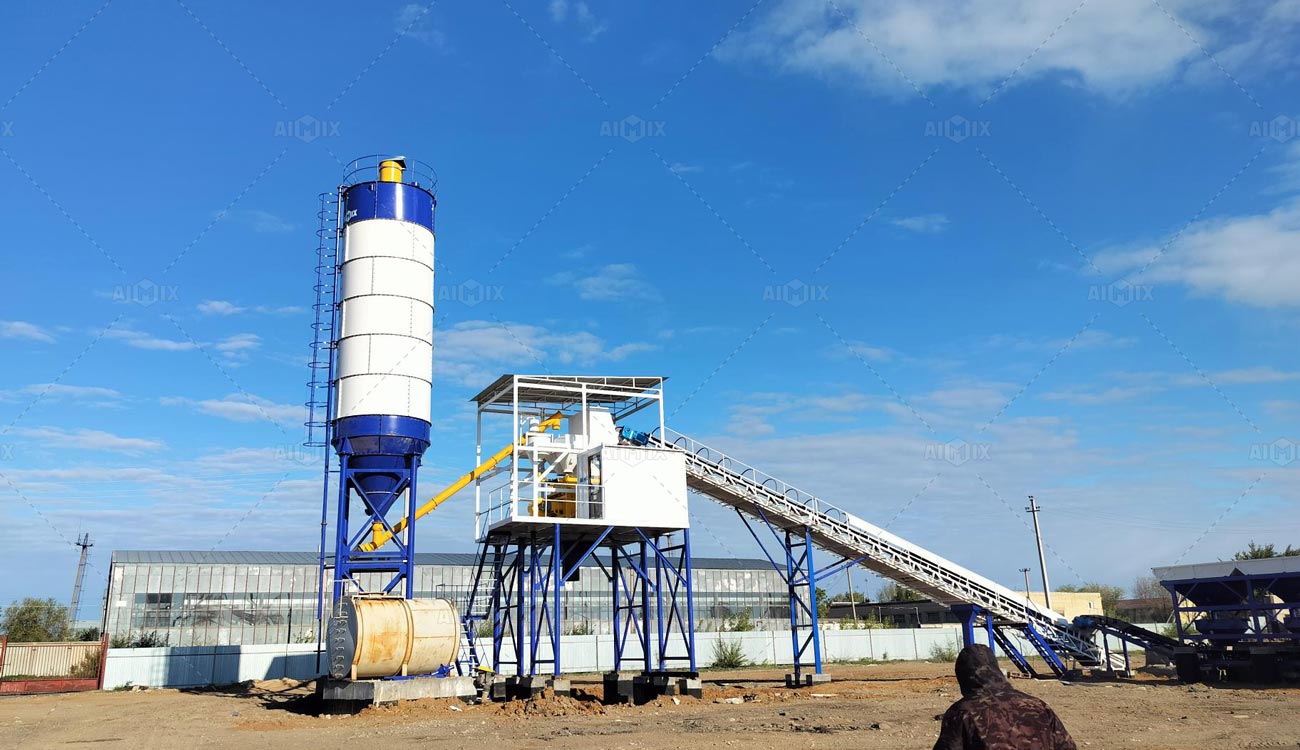
The global construction sector is undergoing rapid transformation, with infrastructure, housing, and commercial projects fueling demand for reliable concrete production solutions. Among the many options available, the small concrete batching plant for sale is emerging as a popular choice across regions. Compact, cost-effective, and highly versatile, these plants are helping contractors and businesses meet localized construction needs efficiently. From the rise of the small RMC plant in urban areas to the growing interest in mobile concrete batching plant units, regional demand is shaping new opportunities for suppliers and investors.
Why Small Batching Plants Are in Demand
Large stationary plants have traditionally dominated the market, serving mega projects such as highways, bridges, and industrial complexes. However, not every contractor or region requires such massive capacity. Smaller construction projects, rural developments, and city-based works benefit more from small concrete batching plant for sale models.
Key factors behind this rising demand include:
-
Affordability: Lower initial investment makes them attractive for small and medium businesses.
-
Portability: Many small plants are skid-mounted or mobile, offering easy relocation.
-
Efficiency for Niche Projects: They are perfect for localized needs, such as residential housing or municipal infrastructure.
-
Scalability: Businesses can start with a small plant and expand operations as demand grows.
Regional Hotspots for Small Concrete Batching Plants
1. The United Kingdom
The UK construction market has seen increasing interest in compact plants due to space constraints and the push for efficiency. A small concrete batching plant for sale UK is particularly appealing to contractors working on urban housing developments, road repairs, and small-scale commercial projects. The ability to produce consistent mixes close to the project site reduces reliance on external suppliers and cuts transportation costs.
Moreover, with stricter environmental regulations, small plants designed for energy efficiency and reduced emissions are gaining popularity. For UK buyers, mobility and compliance with EU/UK safety standards are decisive factors when investing in these plants.
2. Southeast Asia
Rapid urbanization across countries such as Indonesia, Vietnam, and the Philippines has spurred demand for flexible batching solutions. Here, small RMC plants are widely adopted by contractors handling both residential and public infrastructure projects. Compact plants allow local businesses to compete with larger ready-mix companies by providing on-site batching at a lower cost.
The adaptability of mobile concrete batching plant models is especially valued in island nations and remote construction sites, where transporting concrete over long distances is impractical.
3. Africa
Africa’s booming infrastructure sector is another region where small concrete batching plant for sale units are thriving. From road construction in Kenya to housing developments in Nigeria, contractors require affordable yet durable solutions. Small plants offer the flexibility to set up quickly in rural or underdeveloped areas with limited logistics support. Mobile units also address challenges related to inadequate transportation networks, making on-site production a cost-effective alternative.
4. Middle East
In the Middle East, large-scale projects dominate, but there is also significant demand for smaller plants catering to municipal works, maintenance, and private developments. Compact batching plants, particularly mobile concrete batching plant models, are in demand for projects requiring fast setup and dismantling. The hot climate also makes on-site batching beneficial, as concrete quality can deteriorate quickly during long-haul transportation.
5. Latin America
Latin American countries such as Brazil, Mexico, and Chile are witnessing an increase in affordable housing initiatives. This trend has created opportunities for suppliers of small RMC plants. Contractors prefer localized production to serve community-level projects, and portable plants make it possible to move equipment between multiple job sites.
Comparing Small RMC Plant and Mobile Concrete Batching Plant
While both options cater to small-to-medium projects, there are distinctions worth noting:
-
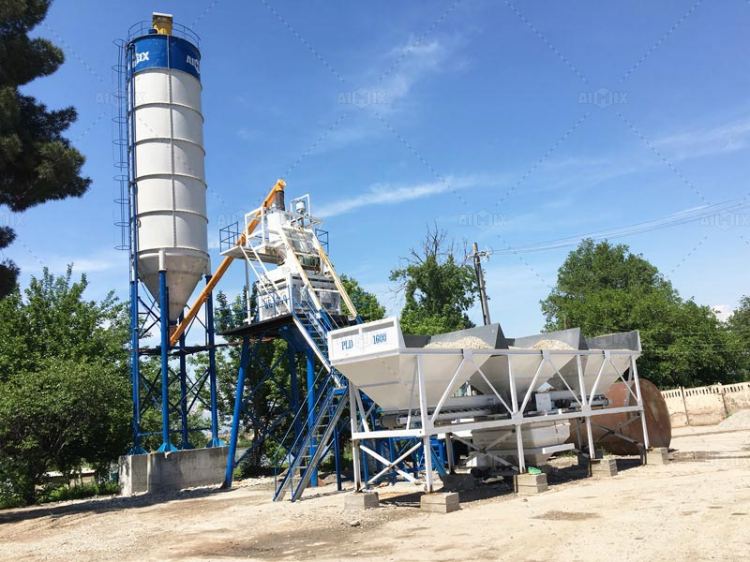
Small RMC Plant: Typically stationary, designed for consistent production, suitable for businesses supplying ready-mixed concrete to surrounding projects.
-
Mobile Concrete Batching Plant: Built for mobility, allowing contractors to batch concrete directly at job sites. This reduces dependency on delivery trucks and ensures fresh mixes even in remote locations.
In regions where projects are spread across multiple sites, mobile plants provide unmatched flexibility. Conversely, in urban centers with steady demand, small RMC plants remain a dependable choice.
Investment Outlook
For investors evaluating opportunities, demand trends indicate that the small concrete batching plant for sale market will continue expanding. Regions with rapid urbanization, infrastructure programs, and a high number of small-to-medium contractors present the strongest potential. Suppliers are responding by offering models that combine affordability with automation, ensuring consistent output without extensive labor requirements.
In particular, the market for small concrete batching plant for sale UK is poised to grow, driven by sustainability requirements, modular construction methods, and the need for high-quality mixes within tight city spaces. Similarly, in Asia, Africa, and Latin America, the appeal of cost-effective and mobile solutions will keep driving sales upward.
Conclusion
The demand for small concrete batching plant for sale is no longer limited to niche contractors; it is now a global trend reshaping concrete production. Whether through the deployment of small RMC plants in fast-growing urban centers or mobile concrete batching plant units in remote areas, regional markets are embracing compact solutions for their affordability, efficiency, and flexibility.
For construction firms and investors, understanding these regional patterns is critical. By aligning equipment choices with local project requirements and regulatory conditions, businesses can maximize returns while contributing to faster, more sustainable infrastructure development worldwide.